Diving Minnow vs Lipless Guzz Lure: Which to Troll When
The difference between diving minnows and lipless top-swimming Guzz lures: how deep each one runs, the right trolling speed for each size and which fish they target.
Shop the lures in this guide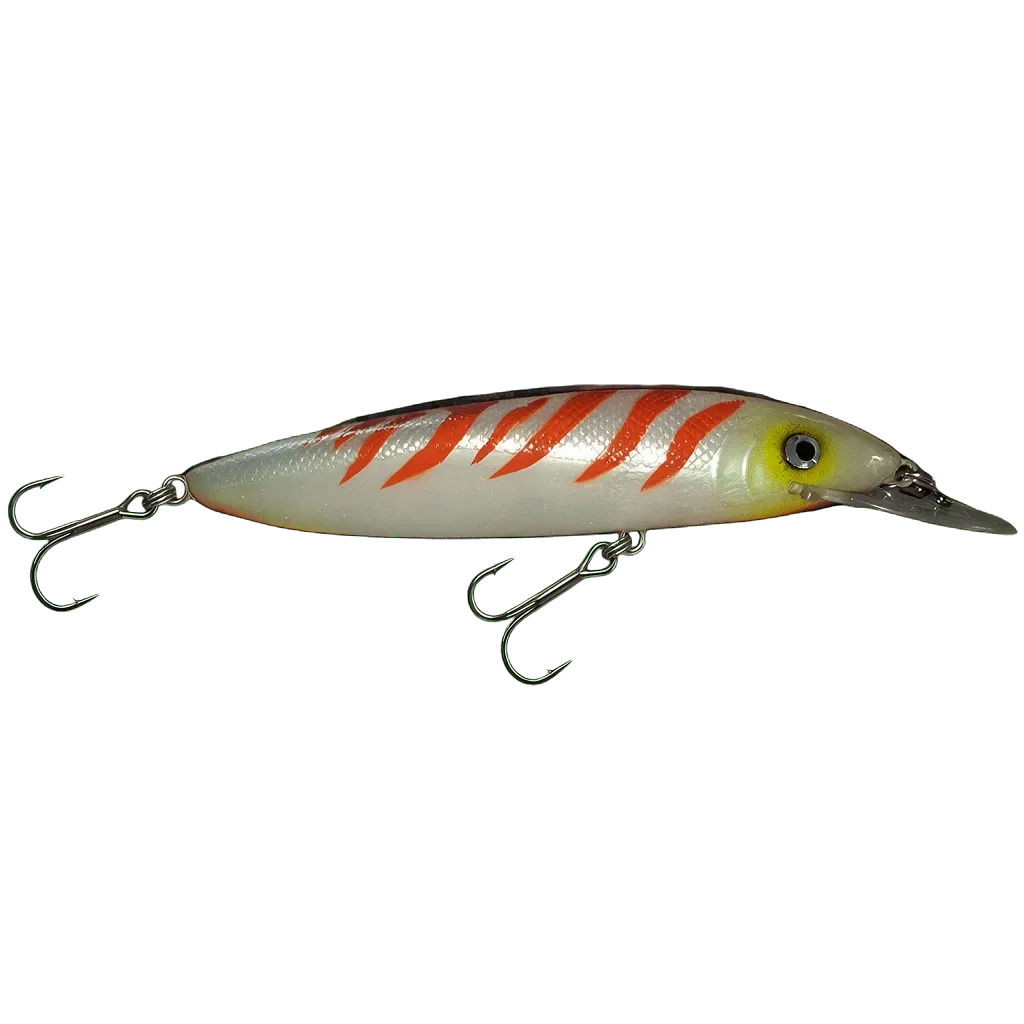
Africa Lures makes two kinds of trolling lures: diving minnows and lipless Guzz lures. They look quite different and they swim at different depths. Running both in your spread lets you cover the surface and the water below it at the same time.
What is a diving minnow?
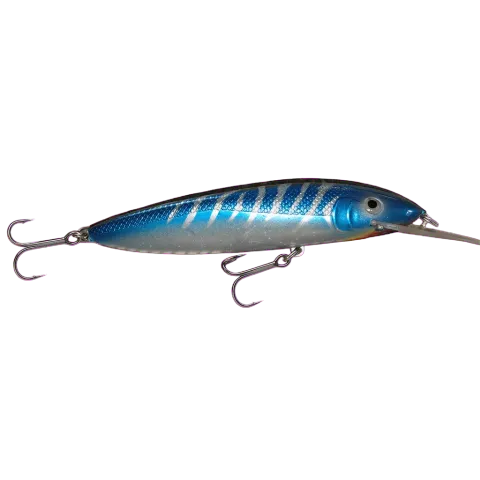
A diving minnow has a lip at the front. As you troll, the lip pulls the lure down under the surface and makes it wobble from side to side like a swimming baitfish.
Our diving minnows come in three sizes:
- 140mm: dives 3.5m+ or 5m+ (it comes with 2 interchangeable lips), trolled at 6 to 9 km/h, Mustad 1/0 5X hooks
- 180mm: dives 5m+, trolled at 10 to 12 km/h, up to 15 km/h, Mustad 3/0 5X hooks
- 220mm: dives 5m+, trolled at 10 to 12 km/h, up to 15 km/h, Mustad 4/0 5X hooks
Best for:
- Dorado, couta, tuna, wahoo and many other gamefish
- Reaching fish below the surface, over reefs and near structure
- The 140mm for slower trolling and smaller fish, the 180mm and 220mm for faster trolling and bigger fish
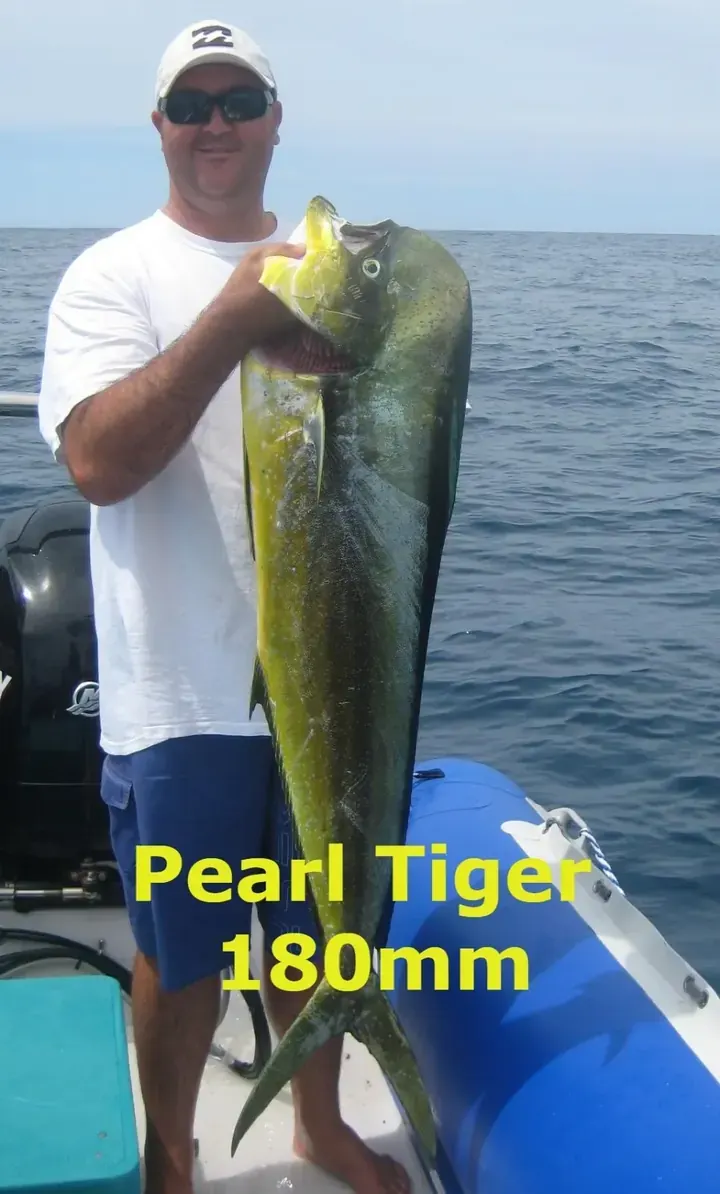
Most of our range is diving minnows, in natural and bright patterns, including glow colours. The Pearl Tiger and Purple Mack are two favourites. You can see both in our catch photos: a dorado on the Pearl Tiger and a wahoo on the Purple Mack at St Lucia.
What is a Guzz lure?
A Guzz lure has no lip. It's a top swimmer: it runs high in the water instead of diving, and it's made for trolling at relatively high speeds. It has Mustad 5/0 5X hooks for big, hard-hitting fish.
Best for:
- Trolling at 10 to 12 km/h, up to 15 km/h
- Fish feeding near the surface, like wahoo, tuna and dorado chasing bait
- Adding surface action to a spread of diving minnows
Our Guzz lures, the Kingi and Orange King, have natural and copper patterns that look like fleeing baitfish.
Side by side
Diving minnow
- Has a lip
- Dives 3.5m+ (140mm) or 5m+ (all sizes)
- 140mm at 6 to 9 km/h; 180mm and 220mm at 10 to 12 km/h, up to 15 km/h
- Main targets: dorado, couta, tuna and more
- Best for working reefs, structure and bait below the surface
Guzz lure
- No lip
- Swims near the top
- 10 to 12 km/h, up to 15 km/h
- Main targets: wahoo, tuna and other fast predators
- Best for fish feeding near the surface
How to use both in one day
Because the 180mm and 220mm minnows and the Guzz all troll at the same speed, you can run them together:
- Spread the depths. Put the Guzz lures on the surface and the minnows underneath, so you cover the top and the water below it.
- Match the speed to the smallest lure. If you add 140mm minnows to the spread, slow down to 6 to 9 km/h so they swim properly.
- Follow the fish. If most strikes come on the surface, add another Guzz. If they come deep, add another minnow.
Tips for both
- Check the swim next to the boat. Before letting a lure out, watch it for a few seconds. It should swim straight and not roll over. If it rolls or skips, slow down.
- Use the right trace. Use wire for wahoo and couta. Keep the trace short and light on diving minnows so they swim well.
- Keep hooks sharp and replace rusty or bent hooks.
Quick summary
- Diving minnow: lip, dives 3.5m+ to 5m+, 140mm at 6 to 9 km/h, 180mm and 220mm at 10 to 15 km/h
- Guzz: no lip, swims near the top, 10 to 15 km/h
Want to know more about wahoo? Read our guide on wahoo lures and trolling speeds.